Can a Modern Cabin in the Hudson Valley Feel Both Minimal and Warm?
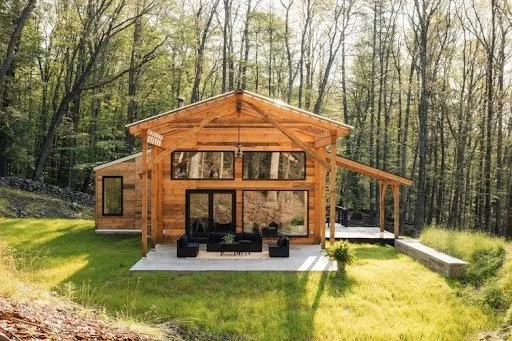
Clean lines and bare walls can feel cold in the wrong hands. Step inside a well designed modern cabin in the Hudson Valley, though, and something different happens. The architecture stays spare, yet timber, stone, and soft river light fill every room with a calm that feels deeply welcoming. So how do the best cabins strike that balance, and what should buyers look for when they want both clarity and comfort?
The answer starts with the valley itself, then moves through materials, light, scale, and the small, deliberate choices that turn a simple structure into a place you never want to leave. Along the way, we will step inside a striking modern chalet in Stone Ridge and look at what the current market means for anyone hoping to buy.
Why Minimalism Suits the Hudson Valley
Some landscapes ask a house to compete with them. The Hudson Valley asks a house to step back. Ridgelines fold into one another, the river catches the late sun, and the seasons change the view so completely that a window can feel like four different paintings over the course of a year. A minimal interior gives all of that room to breathe.
The valley has a long history of people who understood this. The painters of the Hudson River School built a whole movement around light on these hills, and Thomas Cole painted from his home in Catskill looking across to the mountains. Today, Dia Beacon fills an old box printing factory with large, quiet art, and Storm King sets enormous sculpture loose in open fields. The region rewards restraint, and its architecture has followed.
Over the past two decades, a wave of architect led homes has reshaped what people expect from a cabin here. Instead of dark log walls and heavy furniture, buyers now find open plans, generous glass, and honest materials. Many of them come from New York City, where space is scarce and noise never stops. They want the opposite up here, a home that feels clear, calm, and close to the land.
That is the real appeal of minimalism in this setting. It is not about owning less for its own sake. It is about removing distractions so the woods, the weather, and the light become the main event. If you want to see how this design thinking stretches across the region, our look at modern homes in upstate New York covers the wider movement.
The Materials That Bring the Warmth Back
Minimal does not have to mean sterile, and materials decide which way a room tips. The cabins that feel warmest share a short list of natural finishes that age well and invite touch.
White oak and cedar. Wide oak floorboards and cedar ceilings soften crisp geometry and bring a gentle color into every room.
Reclaimed barn wood. Old boards from local barns add history and texture, and they carry a story that new lumber cannot.
Bluestone and fieldstone. Quarries in Ulster County once supplied bluestone for New York City sidewalks, and that same stone now anchors hearths, entries, and terraces.
Plaster and limewash. These walls catch light unevenly, which gives a plain surface depth and movement through the day.
Linen, wool, and leather. Soft goods do quiet but important work, warming a spare room without cluttering it.
The trick lies in keeping the palette tight. Three or four materials repeated throughout the house feel calm and intentional. Ten competing finishes feel busy, even when each one is beautiful on its own. The best designers choose a few honest materials, let them meet cleanly, and then leave them alone.
Texture matters as much as color. A room finished entirely in smooth white surfaces can feel like a gallery. Add a rough stone hearth, a hand rubbed oak table, and a wool throw, and the same room suddenly feels like home. Your hands notice the difference before your eyes do.
Light Does Most of the Decorating
In a modern cabin, light replaces ornament. Architects here spend as much time thinking about the sun as they do about the floor plan, because the right glazing can make a small house feel generous.
Large windows facing south and west capture long winter light and frame the ridgelines. Clerestory windows set high on a wall pull daylight deep into a room without sacrificing privacy. Deep roof overhangs keep the summer sun from overheating the interior while still letting the lower winter sun pour in. Even a single well placed window over a kitchen sink can change how a morning feels.
The valley's light also changes with the seasons, and good cabins seem to celebrate that. In January, cool blue light reflects off snow and fills a room with a clean, bright stillness. By October, afternoon sun turns amber as it passes through the turning maples, and pale wood floors glow almost gold. Spring brings soft green light filtered through new leaves, while summer evenings stretch long and slow across the decks.
When you tour a cabin, visit at different times of day if you can. Notice where the morning sun lands and where the house feels dim. A home with thoughtful light will feel warm even on a gray day, and that quality matters far more than any finish or fixture.
Small Footprints That Live Large
Many modern cabins in the region sit under 2,000 square feet, and plenty stay well below that. Smart design makes these compact homes feel larger than they are.
Open plans let the kitchen, dining, and living areas share light and views. Built in storage hides the everyday clutter that can overwhelm a small space, from boots to firewood to books. Lofts and mezzanines add a bedroom or reading nook without expanding the footprint. A good mudroom, often overlooked, keeps winter mess from spilling into the main rooms.
Heat also shapes comfort in a small cabin. A wood stove or a modern fireplace gives the main room a natural center, a place people gather on cold nights. Radiant floor heating keeps stone and tile pleasant underfoot, which makes the whole house feel warmer than the thermostat suggests. Heat pumps have become common too, quietly handling both heating and cooling with high efficiency.
Compact homes share this logic with another regional favorite, the A-frame. If you love the idea of a small, characterful retreat, our guide to A-frame homes for sale in the Hudson Valley shows how designers make tight, sloping spaces work beautifully.
Inside Vly House, a Modern Chalet in Stone Ridge
For a clear example of minimal and warm working together, look at Vly House in Stone Ridge. This modern chalet sits into a natural stone ledge, and its steep gabled form and dark siding let it recede into the woods rather than dominate them. Stone from the property itself grounds the facade, so the house feels as though it grew from the site.
Inside, large windows pour light across pale maple floors, and the open main level centers on a wood burning stove. A long, narrow library corridor links the floors, and a slatted wood staircase adds rhythm without weight. The design keeps materials calm and tactile, with subtle midcentury influences and sculptural lighting used sparingly. A separate den gives the household a quieter retreat when the main rooms feel busy.
The primary suite shows how small luxuries add warmth. Hand set zellige tile lines the bath, catching light with its uneven glaze, and a soaking tub faces the trees. It is a room that invites you to slow down.
Outside, the land works like a small preserve. A private pond, a stream crossed by a footbridge, and walking trails wind through the property, while wide Tigerwood decks and covered terraces extend the living space over the ledge. Behind the beauty sits serious performance, too. The owners rebuilt the house to current code with new electrical and plumbing, a sealed envelope, high efficiency heating and cooling, and an all electric setup ready for solar. It proves that a cabin can feel soulful and still run like a modern home.
How Staging Keeps a Minimal Cabin Feeling Lived In
Staging a minimal home takes a lighter hand than most people expect. Too little, and a cabin looks empty. Too much, and it loses the calm that makes it special.
The best staging in a modern cabin uses a few well chosen pieces with real presence. A substantial wooden dining table, a deep sofa in a natural fabric, a stack of books by the stove, and one or two pieces of art say more than a room full of accessories. Plants and branches cut from the property bring the outdoors in. Lamps with warm bulbs keep evening rooms glowing instead of glaring.
Staging also helps buyers read the house. A chair placed by a window shows them where to sit with morning coffee. A set table on the deck shows them how summer dinners might unfold. For sellers preparing a cabin, our home staging 101 guide explains how to set a scene without hiding the architecture.
Where Modern Cabins Cluster in the Hudson Valley
Modern cabins appear throughout the region, but a few areas stand out for their concentration of thoughtful design.
Stone Ridge and Accord. These Ulster County hamlets sit near the Shawangunk Ridge and Minnewaska State Park, and they attract buyers who want trails and quiet roads close at hand.
Kerhonkson. Wooded lots and creek frontage make this area a natural fit for cabins tucked into the trees.
Woodstock and Saugerties. Long known for artists and musicians, these towns mix older cottages with sharp new builds in the hills.
The Columbia County hills. Quieter roads east of the river offer long views and larger parcels for buyers willing to drive a little farther.
Each area has its own character, so it helps to spend a weekend in a few before you commit. Our guides to homes for sale in Stone Ridge, NY and homes for sale in Accord, NY go deeper into daily life in two of the most popular spots.
What the Market Looks Like Right Now
The Hudson Valley market has stayed steady through 2026, with modest price growth and a little more breathing room for buyers than in recent years. In Ulster County, home to many of the region's modern cabins, the median sale price reached about $450,000 in the second quarter of 2026, up roughly 3.4 percent from a year earlier. Sales rose about 10 percent, and homes took an average of around 73 days to reach an accepted offer, with about 5.6 months of supply on the market.
Those numbers describe the broad market, and design driven homes often follow their own pattern. A well built modern cabin with strong architecture, quality systems, and a beautiful setting usually commands a premium and draws a dedicated group of buyers. At the same time, buyers today have more time to inspect, compare, and negotiate than they did a few years ago.
For a wider view of prices and inventory across the region, browse our overview of homes for sale in the Hudson Valley.
Questions to Ask Before You Buy
A beautiful cabin still needs to perform well through a Hudson Valley winter. Before you make an offer, work through a few practical questions.
How well does the envelope perform? Ask about insulation, air sealing, and window ratings, since large glazing can lose heat quickly if poorly specified.
What heats the house? Find out the age and type of the heating system, plus any backup source like a wood stove or generator.
What about the well and septic? Most rural cabins rely on both, so test the water and inspect the system.
How does the road behave in winter? Steep or private drives need reliable plowing, and a four wheel drive vehicle often helps.
What do local rules allow? If you plan to rent the cabin part of the year, check town rules on short term rentals before you buy.
How fast is the internet? Remote work depends on it, and service still varies from road to road.
Good answers to these questions protect both your comfort and your investment. If you want a broader checklist, our article on the hidden costs of owning a home upstate covers expenses that new owners often miss.
Minimal Can Still Feel Like Home
So, can a modern cabin in the Hudson Valley feel both minimal and warm? The best ones prove it every day. They keep the architecture simple and let natural materials, carefully planned light, and a deep connection to the land supply the warmth. They live larger than their footprints, they perform well through every season, and they make room for the landscape to take center stage.
When you search, look past square footage and finishes. Pay attention to how a cabin feels at different times of day, how its materials age, and how it opens to the woods around it. That feeling is what you are really buying.
Find Your Modern Cabin With Homes In The Wild
Homes In The Wild curates design led, character rich homes across the Hudson Valley, the Catskills, and Connecticut. We go deep on every listing, from architecture and materials to the setting that makes each property special, and we guide buyers and sellers with real local knowledge. Browse our available listings to see current modern cabins and retreats, or contact our team to start a search shaped around the way you want to live.
Frequently Asked Questions
What makes a modern cabin different from a traditional log cabin?
A modern cabin uses clean lines, open plans, and large windows, while a traditional log cabin relies on heavy timber walls and smaller openings. Modern cabins also tend to include current insulation, efficient heating, and contemporary kitchens and baths, so they feel lighter and brighter inside.
Are modern cabins in the Hudson Valley comfortable in winter?
Yes, when builders design them well. Look for a tight building envelope, quality windows, radiant floors or heat pumps, and a wood stove for backup and atmosphere. A well built cabin stays cozy through even the coldest January nights.
Which Hudson Valley towns have the most modern cabins for sale?
Ulster County hamlets like Stone Ridge, Accord, Kerhonkson, Woodstock, and Saugerties offer a strong mix of modern cabins. Quieter parts of Columbia County also have options, especially for buyers who want more land and longer views.
How can I make a minimal cabin interior feel warmer?
Add natural textures like oak, stone, wool, and linen, and keep your palette to a few repeating materials. Use warm lighting in the evening, bring in plants or branches from outside, and give the room a clear center such as a fireplace or wood stove.
Do modern cabins hold their value in the Hudson Valley?
Well designed modern cabins with strong construction, good systems, and an appealing setting tend to attract dedicated buyers and hold their value well. Location, condition, and design quality still matter most, so work with a local agent who knows the market.