Why A-Frame Homes for Sale in the Hudson Valley Keep Winning Over Designers and Weekenders
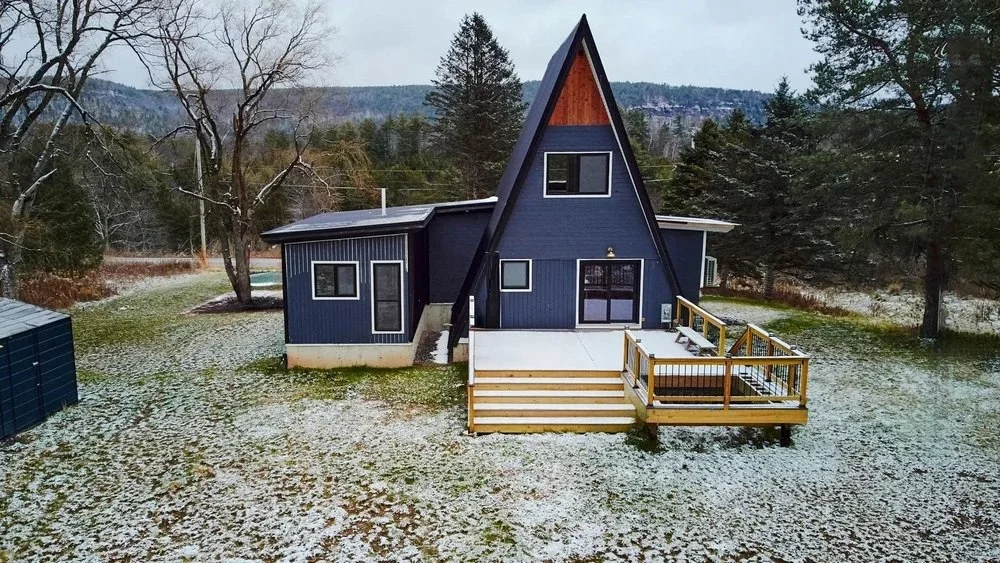
There is something almost cartoonishly perfect about an A-frame, and that is a big part of the charm. Browse the A-frame homes for sale in the Hudson Valley, and you keep meeting the same shape, a steep triangle of roof reaching nearly to the ground, a wall of glass at the gable end, and a silhouette so simple a child could draw it. Yet inside that easy outline sits a home with real character, real history, and a fresh wave of fans among designers and weekend escapees alike.
The A-frame is having a genuine moment, and not for the first time. It was a getaway icon in the 1950s and 60s, slipped out of fashion for a while, then came roaring back in the age of Instagram. This is a look at why the shape suits the Hudson Valley so well, what these homes are really like to live in, and what to know before you go chasing one through the trees.
A midcentury icon, back in the spotlight
The A-frame's story is a classic American one. After the war, companies sold A-frame plans and kits across the country as affordable second homes that a handful of friends could raise in about a week. The shape was cheap to build, easy to understand, and unmistakable, and it spread through mountain and lake country quickly. By the 1980s, it had fallen out of favor, dismissed as cramped and dark.
Then the pendulum swung back. A new generation rediscovered the form through design blogs and social media, where that crisp triangle photographs beautifully against snow or autumn leaves. Today, the A-frame reads as both nostalgic and current, and buyers who want a home with personality keep seeking it out.
Why the shape suits the Hudson Valley
The A-frame is not just a pretty face; it is genuinely well-suited to this landscape. That steep roof sheds the Hudson Valley's heavy snow with ease, letting winter slide off instead of piling up. The dramatic glazed gable, often two full stories of glass, frames valley views and floods the main room with northern light. And the compact footprint settles neatly onto the sloped, wooded lots that define so much of the region.
There is a practical romance to it as well. The form feels at home among tall trees and rising hills, almost as if it grew there, and it suits the kind of quiet, scenic parcels that buyers come upstate to find. Set one at the edge of a clearing with the forest behind it, and the house looks inevitable.
It helps that the surrounding towns have grown into the role. Villages such as Phoenicia and the wider Woodstock area pair easy access to hiking trails, fly fishing rivers, and weekend farm stands with a creative, welcoming spirit, so an A-frame out here comes with a community as well as a view. You can spend a morning on a mountain path, pick up lunch at a roadside diner, and be back on your own deck by mid-afternoon. That blend of wilderness and culture is a large part of why buyers keep pointing their searches at these hills.
The pull for weekenders
For part-time owners, the A-frame ticks a lot of boxes. The scale is cozy and manageable, the upkeep stays modest compared with a rambling house, and the whole place wraps around you the moment you step inside. After a long week in the city, that immediate sense of shelter is a real gift.
The shape also performs on screen, which matters more than ever. An A-frame photographs so well that these homes have become favorites on the short-term rental market, where a striking silhouette and a glowing gable window can fill a calendar. For buyers weighing a weekend home that can also earn its keep, that rental appeal becomes a meaningful part of the math, and the Hudson Valley's steady stream of visitors helps support it.
Living inside the triangle
Living in a triangle takes some cleverness, and this is where good design earns its money. The sloping walls that give the A-frame its drama also eat into usable space at the edges, so the smartest homes turn those low corners into built-in storage, window seats, and tucked-away bunks. The double-height main room usually anchors the plan, with a lofted bedroom or den floating above on a mezzanine, often reached by a sculptural stair or a ship-style ladder.
Modern updates have solved most of the old complaints. Where vintage A-frames could feel dim, today's versions open the gable into a soaring window wall and add skylights to chase the light deeper inside. Where they once felt tight, thoughtful renovations carve out proper kitchens and real bedrooms. The triangle stays, but everything inside it has grown up.
What to inspect before you buy
If you are touring A-frame homes for sale in the Hudson Valley, a few checks deserve extra attention. Because the roof and the walls are nearly the same surface, the roof does double duty, so its age and condition matter enormously. Ask about insulation too, since older A-frames were not always built for four-season comfort, and confirm the state of the foundation, especially on a sloped site.
It is also smart to look closely at any home that has spent years as a rental. Heavy use can hide deferred maintenance behind a stylish surface. None of this is a reason to walk away; it is simply the homework that protects a purchase you will be happy with for years.
A look at the market
The wider market backs up the appeal. Heading into 2026, the Hudson Valley remained one of the country's more competitive regions, with home values climbing faster than the national average and inventory staying tight. Distinctive, design-driven homes stand out in that climate, and the A-frame is about as distinctive as housing gets.
Buyers are also pushing into the northern and western reaches of the valley and the Catskills, hunting for character and value a little further from the river. That is exactly the terrain where well-kept A-frames tend to surface, which makes this a rewarding moment to be looking, provided you move thoughtfully and know what you want.
Why the triangle keeps winning
In the end, the A-frame homes for sale in the Hudson Valley win people over for a simple reason: they deliver character, light, and a true sense of escape in one tidy, unforgettable package. Designers love the clean geometry, weekenders love the easy comfort and the rental potential, and almost everyone loves the way that glowing gable looks at the end of a long drive north. The shape has survived decades of changing taste, and out here, surrounded by trees and mountains, it looks better than ever.
At Homes In The Wild, characterful homes like these are our specialty. We represent distinctive properties across the Hudson Valley and the Catskills, and our listings dig into what makes each one special, from the architecture and the materials to the setting and the story of the land. If an A-frame in the woods has caught your imagination, explore our current listings or get in touch, and let us help you find the one worth the drive.
Frequently Asked Questions
Are A-frame homes hard to maintain?
They are generally manageable, but the roof deserves close attention, since it doubles as much of the home's exterior wall. Keeping the roof, gutters, and that large gable window in good shape is the main ongoing task. Beyond that, the compact size often makes upkeep easier than a larger conventional house.
Do A-frame houses make good short-term rentals?
Often, yes. Their striking shape and photogenic interiors tend to perform well on rental platforms, and the Hudson Valley's steady flow of weekend visitors supports demand. As with any rental, success depends on location, local regulations, and how well the home is furnished and maintained.
How do you make the most of the sloped interior walls?
The trick is to treat those low edges as opportunities rather than dead space. Built-in storage, benches, daybeds, and tucked-in sleeping nooks all work beautifully along the angled walls, while the tall center of the home stays open for living and dining. A good designer can reclaim a surprising amount of usable room.
Are A-frames a good fit for snowy climates?
Very much so. The steep roof was practically made for snow, shedding it quickly so it does not pile up and strain the structure. That natural advantage is one reason the form has always been popular in mountain and cold-weather regions like the Hudson Valley and the Catskills.
What is the typical price range for an A-frame in the Hudson Valley?
Prices vary with size, condition, land, and location, so there is no single figure. Smaller original cabins can be relatively accessible, while fully renovated, design-forward A-frames on private acreage command much more. Because the region's inventory is tight and these homes are in demand, it helps to be ready to act when the right one appears.