What Buyers Should Know Before Exploring Homes For Sale In Accord, NY
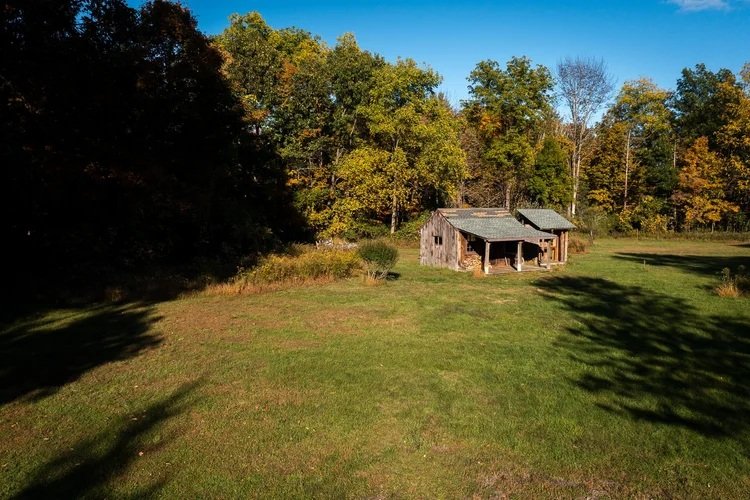
Falling in love with a home can happen in seconds. A shaft of morning light illuminating a wooden floor, a quiet road lined with trees, a view that makes you exhale, or the way a stone fireplace anchors the living room. Yet, those instant feelings, as powerful as they are, can overlook the small but crucial details that shape daily life and future resale value, such as septic systems, road access, permits, flood zones, and utility setups.
Accord, NY, is part of what makes the Hudson Valley so exceptional: its sense of space, texture, landscape, and enduring character. For buyers drawn to this region, understanding the micro-markets and the practical realities behind each property ensures that tours are clear-headed, enjoyable, and focused on what matters. This guide walks you through the essential due diligence, design cues, and lifestyle insights to help you navigate Homes For Sale In Accord, NY with confidence.
Why Accord, NY, Attracts Design-Minded Buyers
The “Feel” of Accord
Accord is more than a town; it’s a living landscape. Rolling ridgelines, dense woods, open meadows, stone walls, and seasonal shifts create an ever-changing canvas. Buyers are drawn to privacy, acreage, architectural charm, and the Hudson Valley’s cultural richness.
The experience of living here varies. Full-time residents, weekenders, creatives, and remote workers each interact with the town differently. Understanding how these lifestyles shape needs from commute patterns to seasonal access helps frame expectations and priorities when considering homes.
Location Orientation Without Overwhelm
Nearby is relative. Grocery trips, school commutes, medical appointments, and weekend drives all depend on road conditions and traffic patterns. Properties in Accord are often compared with neighboring communities like Kerhonkson, New Paltz, Kingston, and Stone Ridge. Buyers notice that small shifts in location can influence pricing, commute time, and access to amenities.
Understanding The Local Market Before You Tour
Micro-Markets and Pricing Differences
Two homes with similar square footage can carry vastly different price tags depending on the setting, road quality, views, and renovation level. Turnkey modern homes, historic properties needing work, and creatively renovated spaces each offer distinct negotiation leverage.
What Value Looks Like
Accord buyers should weigh land usability, design integrity, mechanical updates, insulation, and outdoor amenities such as decks, studios, and barns. Homes designed with consistent material choices, thoughtful lighting, and durable finishes not only photograph well but maintain appeal over time.
Seasonal Timing and Buyer Behavior
Seasonal shifts reveal different property aspects. After heavy rains, drainage issues are visible. Cold snaps highlight insulation gaps and heating efficiency. Touring at dusk shows how light interacts with rooms and the landscape. Planning visits in varied conditions provides a comprehensive understanding of the property’s realities.
Property Types You’ll See In Accord And What To Watch For
Farmhouses, Cottages, and Historic Homes
These homes often feature timeless craftsmanship, generous proportions, and old-growth framing. Watch for older wiring, insulation gaps, stone foundation maintenance, moisture management, window condition, and heating efficiency.
Renovations and Thoughtful Flips
Quality renovations include proper permits, consistent workmanship, integrated HVAC and electrical upgrades, and material choices aligned with the home’s structure. Red flags include cosmetic-only upgrades, uneven floors masked by finishes, poor ventilation in bathrooms, rushed tile work, and vague disclosure statements.
Modern Builds, Cabins, and Contemporary Retreats
Modern properties emphasize glass walls, views, indoor-outdoor flow, and clean material palettes. Verify energy performance, window specifications, drainage around foundations, roofline integrity, and the long-term maintenance requirements of exterior materials.
Land, Setting, And Access: What Matters Beyond The Front Door
Usable vs. Beautiful Acreage
Not all acreage is equal. Slopes, wetlands, easements, and protected areas can limit building, additions, or amenities like pools or guest structures. Touring the land on foot reveals light paths, road noise, standing water, and sightlines to neighbors.
Driveways, Road Maintenance, and Year-Round Access
Gravel versus paved, steep grades, culverts, snow plow accessibility, and the cost of driveway improvements are practical considerations. Ask about road maintenance responsibilities, shared drive agreements, and whether delivery vehicles can reliably reach the home.
Privacy, Views, and Future Changes
Tree lines change with seasons, and nearby construction can alter views. Check neighboring parcels and any visible markers of potential development to understand both current and future privacy.
Rural Systems That Shape Comfort And Cost
Well Water Basics
Verify well depth, yield, water quality tests, filtration systems, and maintenance records. Water taste, mineral content, and safety vary widely, making testing crucial.
Septic Systems
Septic systems differ in type and age, affecting functionality and capacity. Request inspections covering pumping history, maps of the system, and any signs of drainage issues.
Heating, Insulation, and Real Operating Costs
Common heat types in Accord include oil, propane, electric, heat pumps, and wood stoves. Ask for the last 12 months of utility bills, insulation upgrades, window conditions, and draft issues to understand real costs.
Internet and Cell Service
Reliable connectivity is often overlooked but essential for remote work, streaming, and home security. Test speeds during showings, confirm provider options, and inquire about service reliability.
Touring With A Designer’s Eye Without Ignoring Fundamentals
Light, Flow, and Proportions
Assess window placement, morning and afternoon light, ceiling height, and room connectivity. A useful tip: revisit the main living space twice on arrival and before leaving to see how it “settles” in your perception.
Materials and Craftsmanship
Durable, honest materials, such as wood, stone, plaster, quality tile, and solid cabinetry, signal long-term quality. Exposed beams, original floors, and historic masonry add character but require upkeep.
Setting as an Extension of the Home
Evaluate outdoor living spaces: sun angles, wind exposure, and garden or workspace potential. Staging insights help envision flow and remove furniture mentally to judge scale.
Due Diligence Checklist Before Writing An Offer
Paperwork and Verification
Request disclosures, surveys if available, permits or certificate of occupancy, utility information, and rental history for short-term uses. Local variance in property records is common, and expert interpretation is helpful.
Inspection Focus Areas
Roof, structure, drainage, foundation, pests, heating systems, well water, septic inspections, and chimney/fireplace checks. Use a walk-through checklist for second showings: moisture smell, attic access, basement dampness, and exterior grading.
Financing and Insurance Realities
Certain property features affect financing and insurance, including flood zones, unique heating, or condition issues. Confirm insurability early for unusual properties.
Pricing, Negotiation, and Contingencies
Interpret listings carefully: days on market, price changes, and staging can influence perceived value. Offer contingencies can include inspection, well/septic tests, appraisal, and financing protection. Avoid waiving protections without understanding system risks. Negotiation levers include repair credits, closing timeline flexibility, inclusions like generators or outdoor equipment, and inspection-related adjustments.
Common Mistakes Buyers Make In Accord And How To Avoid Them
Prioritizing Aesthetics Over Function
Beautiful interiors may hide poor insulation, bathroom ventilation issues, or problematic driveway access.
Underestimating Maintenance and Upgrades
Consider snow removal, tree work, drainage management, and ongoing care for outdoor structures. Create a realistic budgeting framework: immediate fixes, first-year projects, and long-term improvements.
Misaligning Home and Lifestyle
Weekend fantasy homes may not suit year-round needs, weak internet may hinder remote work, and entertaining dreams may conflict with parking or access realities.
How To Choose The Right Property In Accordance With Your Life And Taste
Criteria Set
Evaluate setting (privacy, light, views), bones (structure, systems), layout (flow, function), and future flexibility (additions, studios). Use a scoring approach: “must-haves,” “nice-to-haves,” and “dealbreakers.”
Matching Architecture to Lifestyle
Open-plan modern homes support creative work and social gatherings, while farmhouses may better suit multi-room family life. Storage, guest accommodations, and workflow matter.
Resale and Longevity
Look for quality renovations, abundant natural light, manageable land, reliable systems, and thoughtful material choices. These practical signals indicate lasting value without fear-based speculation.
Conclusion
Homes For Sale In Accord, NY, offer a rare combination of light, landscape, and craftsmanship. Yet, beauty alone doesn’t ensure long-term comfort or value. By combining attention to detail with systems, land, access, and records with a designer’s eye for aesthetics, buyers can feel grounded, confident, and prepared. Touring with a plan, asking the right questions, and building a trusted team ensures your choice is as satisfying on paper as it is in person.
Reach out to Homes In The Wild for a design-aware, data-informed approach: property scouting, commitment-free valuations, contractor connections, staging and styling guidance, and world-class marketing support. If you’re exploring Homes For Sale In Accord, NY, we’ll help you see the beauty and verify the details so your choice feels as good on paper as it does in person.
FAQs About Buying In Accord, NY
Q1: What is the typical home size in Accord, NY?
Homes in Accord range considerably in size, from small rustic cabins of 800–1,200 square feet to larger farmhouses and newer custom homes exceeding 3,000 square feet. The area is particularly rich in compact, character-filled retreats that prioritize connection to the landscape over square footage. Buyers who prefer livable, human-scaled homes often find Accord's inventory especially appealing.
Q2: Are there new construction homes available in Accord, NY?
New construction in Accord is relatively limited compared to more developed Hudson Valley communities, which has helped preserve the area's rural character. Some buyers do choose to purchase raw land and build custom homes, working with architects who specialize in designs that are sensitive to the Catskill foothills landscape. The permitting and construction process in Ulster County requires patience but can yield extraordinary results for buyers willing to invest the time.
Q3: What is the internet and remote work infrastructure like in Accord, NY?
Internet connectivity in Accord has improved in recent years, with cable internet available to many properties and Starlink satellite offering a reliable alternative for those in less-served locations. Cell service can be variable depending on the specific location of the property. Buyers planning to work remotely full-time should test connectivity at any property they are seriously considering before purchasing.
Q4: What are the property tax rates like in Accord, NY?
Accord is located within the Wawarsing Central School District and falls under the jurisdiction of Ulster County and the Town of Rochester for property tax purposes. New York State's agricultural and senior citizen tax exemptions may apply to qualifying properties and owners. Buyers should request a full tax history and consult with a local tax assessor's office to understand their expected annual tax burden.
Q5: What is the short-term rental landscape like in Accord, NY?
Accord has become one of the most active short-term rental markets in the Catskills, supported by its proximity to major outdoor recreation areas and a growing reputation as a culinary and wellness destination. Well-designed and character-rich properties, particularly those with private outdoor space, fire pits, and natural settings, perform exceptionally well on vacation rental platforms. Buyers should review Ulster County's STR registration requirements and any applicable Town of Rochester local regulations before listing a property for short-term rental.