Homes for Sale in Tivoli, NY: Small-Town Charm Meets Hudson Valley Living
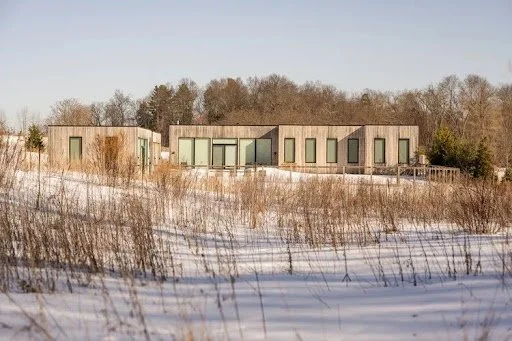
Locals like to point out that Tivoli spelled backward reads i-lov-it, and the joke has stuck around since at least the 1970s for a reason. This is a village that inspires real affection, a 1.8-square-mile pocket perched on a bluff above the Hudson River with sweeping views of the Catskill Mountains across the water. For buyers exploring homes for sale in Tivoli, NY, the appeal comes down to a rare combination: a genuinely walkable historic village, a river setting, and a cultural energy that punches well above the town's population of roughly 1,100.
A Port Town With Layered History
Tivoli's story begins with Peter Delabegarre, who purchased land along the Hudson in the 1790s and set out to build a village modeled on the Roman resort town of the same name. His plan never fully materialized and he went bankrupt in the process, but the name stayed. The village was formally incorporated in 1872, consolidating the smaller settlements of Madalin and Upper Red Hook Landing into what is now Tivoli.
That layered history shows up in the housing stock today. Because the village sits within a National Historic Landmark district, a large share of Tivoli's homes date to the nineteenth and early twentieth centuries, and many retain original architectural detail, including wide plank floors, period moldings, and vintage millwork. The earliest residential neighborhood sits on the bluffs east of the old railroad tracks overlooking the river, near large historic estates like Rose Hill, an 1843 Greek Revival villa built in the Tuscan style. Most of the village's other residential streets developed later, radiating out from the center with a mix of Victorian houses, classic colonials, and vernacular cottages on compact lots.
The Character That Draws People In
Bard College sits just up the road in Annandale-on-Hudson, and its presence gives Tivoli a youthful, artistic current that runs alongside its longtime local families. The two groups coexist easily, and the result is a village where you might find a fourth-generation Tivoli family living next door to a working artist or a Bard alumnus who never left.
That creative pull has attracted some genuinely notable residents over the years. Painters Brice and Helen Marden owned the historic Rose Hill estate, and actors Mary Stuart Masterson and Jeremy Davidson co-founded Storyhorse Documentary Theater in the village, producing original works based on interviews with Hudson Valley locals. The Kaatsbaan Cultural Park, a 153-acre artist sanctuary offering year-round residencies and performances, sits within the village boundaries and draws visitors from across the region.
Broadway, Tivoli's main street, has earned a reputation for having more restaurant quality per capita than almost any village its size in the Hudson Valley, and local institutions like Fortunes Ice Cream, named the best ice cream in New York State by Food & Wine, and the Tivoli General store give the short strip of shops a genuine sense of place rather than a curated one.
The Architecture Up Close
Walk Tivoli's residential streets and the layers of history become easy to read. Near the bluffs east of the old rail line sit the village's earliest homes, a small cluster built with an eye toward the river view long before that view became a selling point. Nearby, the large historic estates, Rose Hill, Callendar House, and The Pynes, represent an entirely different scale of building, grand country houses set on substantial grounds that once anchored the social life of the village's wealthier residents.
The bulk of Tivoli's housing sits further inland, clustered around the village center on streets that developed through the mid to late nineteenth century. These homes retain their original character to a striking degree, with the Village having amended its own zoning standards in 2010 specifically to ensure new construction respects the scale and alignment of the surrounding historic streetscape. The result is a village where a newly renovated kitchen sits comfortably behind a facade that has looked essentially the same since the 1880s, and where owners take genuine pride in maintaining that continuity rather than treating it as a regulatory burden.
Modern development, where it exists, has been steered toward the outskirts of the village, leaving the historic core largely intact. For buyers who want a period home without an extensive restoration project, this pattern means the most move-in-ready inventory tends to cluster in the mid-century renovated homes near the village edges, while the most architecturally significant properties near the center often come with a restoration project attached, or a price tag that reflects work already completed.
What Life Looks Like Day to Day
Tivoli's village core is genuinely walkable, a rarity in the Hudson Valley outside a handful of towns. Residents can handle dining, coffee, and errands on foot, though most still drive for groceries and larger shopping needs, since Tivoli itself is compact by design. Just beyond the village, the Tivoli Bays Wildlife Preserve offers 1,722 acres stretching two miles along the Hudson's eastern shore, with four miles of hiking trails split between a moderate 3.7-mile loop and a shorter, easier overlook trail. Poet's Walk Romantic Landscape Park sits nearby in neighboring Red Hook, adding another well-loved trail with river views.
The population has held remarkably steady at around 1,000 to 1,100 residents for decades, giving Tivoli the kind of continuity that is increasingly rare in the region. New residents tend to describe the community as powerful for its size, a place where the sense of belonging arrives faster than in larger towns. The annual Tivoli Street Painting Festival turns Broadway into a canvas for a weekend each year, drawing families and artists from across the region and capturing the same creative spirit that runs through the village's cultural institutions.
Because so much of daily life in Tivoli happens on foot or by short drive, buyers often find that owning a car remains necessary even while enjoying a walkable lifestyle within the village itself. It is a hybrid pattern that suits people who want village charm without giving up the independence a car provides for reaching Rhinebeck, Kingston, or the broader county beyond.
What Homes Are Selling For
Given Tivoli's small footprint, roughly 1.8 square miles, inventory is naturally limited compared to larger Hudson Valley towns, and that scarcity shapes pricing. Compact village cottages and updated Victorians tend to represent the entry point into the market, while homes with river views, larger lots, or direct proximity to Broadway's restaurant row command a clear premium. Because so few properties come to market in a given year, buyers who find a home that fits their criteria are generally well advised to move quickly, while sellers benefit from a genuinely motivated pool of buyers drawn specifically to Tivoli rather than the wider region.
Buyers should also expect meaningful competition for the handful of properties that combine historic character with genuine move-in readiness, since those homes appeal equally to full-time residents, weekenders, and investors interested in the village's steady rental demand tied to Bard College. Homes requiring more extensive work tend to see less competition and can offer real value for buyers willing to take on a renovation, particularly given the strength of the local network of contractors and craftsmen experienced with historic Hudson Valley construction.
Community Life in a Small Village
Tivoli's small population belies how much is actually happening within its borders on any given week. Bard College brings a steady calendar of lectures, concerts, and performances at the Fisher Center, most of them open to the public and a short drive or even a walk from the village center for residents living closest to campus. Kaatsbaan Cultural Park adds year-round dance residencies and performances, drawing artists from well beyond the Hudson Valley to work and perform on its 153-acre grounds.
Local institutions carry just as much weight as the larger cultural venues. Fortunes Ice Cream has become a genuine destination in its own right, recognized statewide, while Tivoli General has grown into the kind of shop that anchors a Main Street, part market, part gathering spot. Storyhorse Documentary Theater, founded by longtime residents, produces original works drawn from interviews with actual Hudson Valley locals, work that has been staged at regional institutions including the Fisher Center itself. For buyers who value being part of an active, small-scale creative community rather than a purely residential one, Tivoli offers a version of village life that is hard to replicate elsewhere in the region.
What to Know Before You Buy
Buying in a National Historic Landmark district comes with real benefits and a few practical considerations.
Properties within or adjacent to the historic district can carry restrictions on exterior modifications, so it is worth reviewing local guidelines with your agent before planning renovations.
Village lots tend to be compact and close to neighbors, which suits buyers who want walkability but may not suit those seeking privacy or acreage.
Homes closer to the river bluff or in flood-prone areas warrant a closer look at flood zone status and insurance costs.
Because Tivoli is car-dependent beyond the village core, buyers who work from home or want easy grocery access should factor driving distance into their search.
Inventory is limited given the village's small footprint, so homes in strong condition tend to move quickly, particularly those with river views or proximity to Broadway.
Homes for Sale in Tivoli, NY, Offer a Rare Combination
Few Hudson Valley villages combine walkability, river views, historic architecture, and genuine cultural life the way Tivoli does. Homes for sale in Tivoli, NY tend to reflect that layered appeal, whether it is a compact Victorian a block from Broadway or a bluff-top property with Catskill views. For buyers who want small-town charm without sacrificing intellectual and cultural energy, Tivoli remains one of the most distinctive options in the region.
Explore Tivoli Listings With Homes In The Wild
Homes In The Wild has deep familiarity with Tivoli's historic housing stock, including recent work on The Langridge, a listing that reflects the village's character and craftsmanship firsthand. Angelica VonDrak and her team, affiliated with Houlihan Lawrence, bring a design-forward perspective to buyers navigating a historic district, from understanding renovation guidelines to identifying which properties offer the strongest long-term value. Whether you are drawn to a riverfront bluff property or a walkable cottage near Broadway, reach out to Homes In The Wild to explore current Tivoli listings.
Frequently Asked Questions
What makes Tivoli, NY different from other Hudson Valley villages?
Tivoli combines a walkable historic village core, dramatic river bluff views, and a strong cultural presence tied to Bard College and Kaatsbaan Cultural Park, all within a compact 1.8 square mile footprint.
Is Tivoli within a historic district?
Yes, much of the village falls within a National Historic Landmark district, which means many homes retain original architectural detail and certain exterior changes may require review.
What is the commute like from Tivoli to nearby cities?
Tivoli sits close to Rhinebeck and Kingston, with Amtrak service available from the Rhinecliff station, making it workable for residents who occasionally commute to New York City or Albany.
Are there waterfront homes for sale in Tivoli?
Waterfront and bluff top properties exist but are limited given the village's small size, and they tend to be highly sought after when they come to market.
What outdoor activities are nearby?
Residents have easy access to the Tivoli Bays Wildlife Preserve for hiking and kayaking, along with Poet's Walk Park just over the border in Red Hook for additional trails and river views.
Can I renovate a historic home in Tivoli's Landmark district?
Renovations are generally possible, but exterior changes within the National Historic Landmark district may require additional review to ensure they align with the village's preservation standards. Interior updates typically face far fewer restrictions, which is why many buyers focus renovation budgets on modernizing systems and finishes while preserving the original facade.