Explore The Best Multifamily Homes For Sale In Kingston, NY
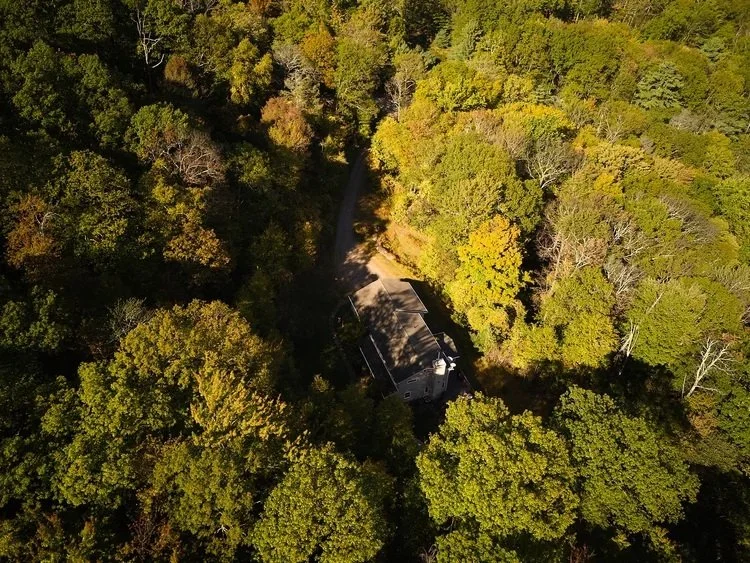
When we say we want to explore the best multifamily homes for sale in Kingston, NY, we are not really asking for the prettiest listing photos or the biggest building on the block. We are asking for a rare blend that feels grounded and livable, and also financially rational. We want a building that works on paper and in real life. We want a location fit that supports steady demand, income that can hold up through normal vacancies and repairs, and a property whose condition does not quietly sabotage the math. We also want flexibility, the kind that gives us options a few years from now, whether we live in one unit, keep it as a long-term hold, or sell to a buyer who is drawn to Kingston for the same reasons we are.
Multifamily can be a lifestyle purchase and a long-term asset when we buy with clear criteria. We can live in one unit and rent the others, or we can keep the whole building as a rental and treat it like a small business with a roof. Either way, the best version is rarely found by chasing a single metric. It is found by stacking several small wins. A neighborhood that tenants actually want year-round. A building layout that feels private and dignified. Systems that are maintained, not improvised. Legal clarity that does not create future financing and insurance stress. And a design sensibility that respects how light, proportion, and craftsmanship influence desirability over time.
Why Kingston Works For Multifamily Buyers
Kingston is not a resort town that goes quiet when the season changes. It is a lived-in Hudson Valley city with history, culture, and a year-round rhythm, which matters for multifamily demand. Many guides describe Kingston through three well-known districts, the Uptown or Stockade area, Midtown, and the Downtown Rondout or waterfront area, each with its own texture and daily life patterns. That mix helps explain why different tenant profiles can exist within the same city, and why micro-location can matter as much as unit count.
Walkability and amenities influence tenant stability and resale appeal. The more we can offer a tenant the ability to live without friction, the more durable the demand tends to feel. That might mean proximity to restaurants, galleries, a waterfront path, or a grocery run that does not feel like a chore. It can also mean proximity to employers and services. Midtown, for example, is commonly described as convenient and centrally placed, while Uptown carries historic character and a distinct streetscape feel, and Rondout brings waterfront energy and a strong sense of place.
Architecture matters here too, not as a luxury detail, but as a demand driver. Kingston has a deep inventory of older housing stock and historic character in certain areas, and many renters and future buyers notice things like natural light, ceiling height, and the feeling of space. When those elements are present, they tend to stay desirable even as styles change.
A Neighborhood Guide: Because The Block Matters More Than The Zip Code
We can talk about Kingston in broad strokes, but when we are exploring the best multifamily homes for sale in Kingston, NY, the block-level reality does the heavy lifting.
Uptown and the Stockade area often pull buyers who love historic character, older streetscapes, and a sense of architectural continuity. Guides consistently position Uptown as the historic heart, with the Stockade district as a defining feature of Kingston’s identity. In multifamily terms, that can translate to strong appeal, but also to older systems that require closer inspection, and sometimes tighter parking realities depending on the street.
Midtown often reads as practical and connective, and it is frequently described as Kingston’s arts district or central corridor in neighborhood overviews. In multifamily terms, we often see a mix of building types and a tenant base that values convenience and access.
Rondout and the waterfront area can feel distinctly atmospheric, with water, restaurants, galleries, and the sense of being in a place people visit on purpose. Kingston sources describe the Downtown waterfront area as bordering the Rondout Creek, with historic district character and a redeveloped waterfront feel. That energy can support rentability, but it also invites practical questions about flood awareness in low-lying pockets. The City of Kingston publishes a Flood Preparedness Guide and map of flood-prone areas, which is a reminder that location due diligence is not optional, especially near water.
A simple touring method helps. We visit the street in the morning and again near evening. We notice light, traffic, and noise. We watch how the block feels when people are actually coming home. This is not overthinking. It is underwriting the lived experience.
Multifamily Formats We Will See In Kingston, And What “Value-Add” Really Means
In Kingston, we typically see duplexes, triplexes, four-unit buildings, and mixed-use properties with residential units above commercial space. The format matters because it changes financing, operations, and our own lifestyle if we plan to owner-occupy. In a duplex, privacy can be easy if the layouts are separated well. In a three or four-unit building, common areas and building systems can become a bigger part of the tenant experience, which means they become part of our maintenance plan.
Owner-occupied strategy, sometimes called living in one unit while renting the others, can be compelling when the layout supports privacy. We want separate entrances when possible, or at least separate circulation that does not force daily overlap. The goal is a building that lets us live like we own a home, not like we are camping inside our investment.
Value-add is a phrase that gets thrown around, and in Kingston, we want it to mean something specific and legal. A finished attic apartment can be valuable if it is a permitted unit. Basement storage and laundry areas can improve rentability if they are dry, safe, and well-lit. A “bonus” unit described in a listing is not automatically real income. It is a potential risk until we confirm legality.
Kingston Forward is a form-based zoning code that regulates use and building patterns, and the city’s development guidance emphasizes that permitting and the certificate of occupancy process are central to verifying that projects meet code requirements. This is why we treat “turnkey” carefully in older housing stock. A building can be beautifully updated and still be hiding deferred mechanical work. And it can be cosmetically dated but structurally solid, which is sometimes the better buy.
What “Best Ft” Looks Like Depends On Our Goal, So We Define It Early
The best multifamily homes for sale in Kingston, NY, look different depending on what we are trying to do.
If our goal is house-hack living, we care deeply about unit separation, daily privacy, and a unit mix that makes sense. If our goal is stable long-term rentals, we care about tenant durability, utility metering, maintenance predictability, and clean documentation. If our goal is a renovation-forward equity play, we care about good bones, a realistic renovation scope, and a location that will reward the work.
A simple scoring rubric keeps us honest. We score location and micro-location fit. We score conditions and systems' confidence. We score income clarity, meaning rent roll quality and documentation. We score upside potential, but we keep it grounded in legality and feasible improvements. This keeps us from falling in love with a fantasy.
Architecture And Design, What Holds Value In Kingston Multifamily
Kingston is a place where craftsmanship still shows. In multifamily buildings, the details renters and future buyers notice tend to be the same details that make daily life feel better. Natural light. Ceiling height. Flow that makes a unit feel private and coherent. Windows that work well and do not rattle in winter. Entryways that feel secure and cared for.
Craftsmanship signals matter. Original woodwork that has not been painted into oblivion. Solid staircases that feel stable underfoot. Thoughtful proportions that make even a smaller unit feel breathable. These qualities are not nostalgia. They are a form of durability, and durability is valuable.
Cohesive updates matter too. Kitchens and baths that feel clean and timeless, with ventilation that actually works, finishes that can handle daily use, and lighting that does not feel harsh. Trend-driven updates can age quickly, while restrained choices, good hardware, and solid surfaces tend to carry further.
Curb appeal and entry experience matter more in multifamily than many buyers expect. The front door is the first tenant interaction every day. If it feels cared for, tenants often care back. If it feels neglected, turnover tends to follow.
Unit-level Details That Improve Rentability, Without Gimmicks
A unit does not need to be huge to be desirable. It needs to feel livable. Storage that is not an afterthought. A layout that gives a sense of separation between sleeping and living when possible. In-unit laundry potential is a major perception driver, even if the solution is a compact setup. Shared laundry can still work, but only if it is clean, bright, and functional.
Kitchens and baths drive perception because they touch daily life constantly. We look for good lighting, decent counter space, reliable ventilation, and finishes that can handle real wear. A good kitchen does not need to be fancy. It needs to be smart.
Sound and comfort matter too. Insulation and window quality influence tenant satisfaction. Mechanical noise, like an old boiler clanking under a bedroom, can quietly increase turnover. We pay attention to where mechanicals sit relative to units, and we ask whether noise can be mitigated.
Safety basics are non-negotiable. Secure entries, exterior lighting, clear egress paths, and a sense that the building is cared for. This is not only about compliance, but it is also about tenant trust.
Income Reality Check, Reading Rent Rolls Without Guessing
We start with what exists now. Current rents and lease terms. Whether utilities are included or separately metered. A rent roll that looks strong on paper can fall apart if utilities are bundled and costs are unpredictable. We also want a unit-by-unit breakdown that makes sense, and we want documentation that supports it, including leases and payment history where possible.
Then we separate gross rent from real cash flow. We account for vacancies, routine repairs, and reserves. We do not romanticize perfect occupancy. We underwrite normal life.
The best multifamily homes for sale in Kingston, NY tend to be the ones with clean records and clear operating history, because clarity reduces risk. When records are messy, we price that mess into our offer, or we walk away.
Expenses And Maintenance Fundamentals That Determine Profitability
Multifamily profit is often decided by the boring categories. Insurance. Taxes. Water and sewer. Snow removal. Routine repairs. These costs exist whether we feel like dealing with them or not.
Systems can change math quickly. Roof age. Boiler or furnace condition. Hot water setup. Electrical service capacity. We look for evidence of professional work, not patchwork. We look for permits when upgrades are significant, and we treat amateur electrical work as a serious red flag.
Deferred maintenance often leaves a trail. Moisture issues in basements. Recurring plumbing repairs. Staining that suggests long-term water entry. Old windows that leak air and raise heating costs. We do not need perfection, but we do need a plan.
Capital expenditure planning is what keeps a building stable. Roofs and heating systems do not fail politely. Exterior paint and masonry do not repair themselves. We set aside reserves because that is what responsible ownership looks like.
Due Diligence And Inspections Are The Calm Work That Protects The Purchase
For multifamily, inspections should be thorough and targeted. Roof, foundation, electrical, plumbing, heating, and any signs of moisture intrusion. We look at basements with a skeptical eye, because water is one of the most expensive forms of neglect.
Older-home considerations can apply depending on age and renovation history. Potential lead paint, asbestos risk, and window condition are examples of issues we want to understand rather than assume.
Safety and compliance checks matter. Smoke and carbon monoxide alarms, egress, handrails, common-area lighting, and a general sense that the building meets basic life-safety expectations.
Location-specific checks matter too. Flood awareness near low-lying areas, drainage, sump systems, and how the property behaves during heavy rain events. The city’s Flood Preparedness Guide exists for a reason, and we treat it like a practical resource, not background noise.
Zoning, Legal Use, And Permits, Making Sure The Units Are Real
This is where many buyers either protect themselves or create future stress. We confirm the legal unit count. We confirm the certificate of occupancy details. We confirm permitted layouts, especially when listings describe additional space that sounds like an extra unit.
Kingston Forward is the city’s zoning code framework, and the city publishes development guidance connected to permitting and certificates of occupancy, which reinforces that legality is a process, not a vibe. We can also look at municipal code references that show how unit counts and building intensity can be regulated within certain zoning contexts, which matters when we are evaluating expansion ideas.
Illegal units create financing, insurance, and resale risk, even if they appear rentable today. They can also create compliance exposure. We keep the focus on reducing risk because legal clarity is part of finding the best multifamily homes for sale in Kingston, NY.
If we are thinking about short-term rental optionality, we get even more careful. Kingston’s materials state that owners renting for less than 30 consecutive days are required to apply for a short-term rental permit, and the city outlines permit types and responsibility to comply with applicable ordinances. We treat this as a compliance question first, not an income fantasy.
Renovation And Value-Add: Improving The Property Without Overreaching
Value-add starts with protecting the asset. Roof integrity, heating reliability, electrical safety, and moisture control. These are upgrades that stabilize the building and reduce future emergencies.
Then we move to design-forward improvements that raise livability. Better lighting plans that make units feel warm and clear. Durable flooring that holds up under daily traffic. Kitchens and baths are refreshed with materials that feel clean and timeless. We keep palettes restrained and practical, because the goal is long-term appeal, not a fleeting look.
Common areas matter more than we think. Entries, stairwells, mail areas, and exterior landscaping shape first impressions. First impressions shape tenant quality and retention, and retention shapes profitability.
We also pace renovations to reduce vacancy risk and keep cash flow steady. We phase work unit by unit when possible, and we avoid creating a building-wide disruption unless the infrastructure demands it.
Financing Strategies, Because Financing Fit Is Part of The “Best” Decision
Financing paths vary depending on whether we plan to owner-occupy or buy strictly as an investment. Lenders tend to care about unit legality, income documentation, and property condition. Down payment and reserves matter. Interest rates can shift monthly performance. We do not need to become economists, but we do need to understand how financing terms affect our margin for error.
Financing fit is part of choosing the right multifamily homes for sale in Kingston, NY, because the same building can be a great deal under one structure and a stressful one under another.
Offer Strategy And Negotiation, Disciplined And Clear
We shape an offer based on comparable sales, condition reality, and inspection findings. We do not anchor on the list price alone. We use negotiation tools that protect downside, like repair credits, targeted requests for safety and systems, and timeline flexibility when it matters.
We also define walk-away points in advance. Uninsurable conditions. Major structural risk. Unclear legality. Chronic water intrusion. When we set these boundaries early, we stay rational when emotions spike.
Multifamily success often comes from what we do not overpay for and the deals we politely decline.
A First-Year Plan For How We Stabilize, Improve, And Retain Tenants
The first year is when a building becomes either calm or chaotic. We start with safety upgrades and mechanical servicing. We clean up documentation, leases, expenses, and vendor contacts. We make the building easier to operate.
Then we focus on tenant experience upgrades that reduce turnover. Better lighting. Secure entries. Reliable heating. Simple responsiveness. In multifamily, consistency is a form of value.
We plan seasonal maintenance, gutters, snow, exterior checks, and moisture prevention. We track performance metrics, vacancy days, repair frequency, and tenant feedback, not in a cold way, but in a steady way. This is how the building stays stable.
Conclusion: Find The Right Building, Then Make It A Stronger Asset.
Exploring the best multifamily homes for sale in Kingston, NY, is not about chasing the biggest promise. It is about choosing micro-location with intention, verifying legal clarity, checking systems with rigor, and underwriting income and expenses with realism. When we do that, we can find a building that feels both human and durable, something that supports a real neighborhood life while also behaving like a well-run asset.
And when we want the process to feel design-aware instead of purely transactional, we can turn to Homes In The Wild for a white-glove, design-forward approach that blends real estate expertise with staging, storytelling, and practical improvement strategy, guided by the artistic eye, whose sensitivity to light, proportion, and lived atmosphere helps us recognize the difference between a building that merely looks good and one that truly holds value.
FAQ’S
Q1: What neighborhoods in Kingston, NY, have the best multifamily properties?
Midtown Kingston has become a hub for multifamily investment activity, with a growing arts and dining scene attracting a desirable tenant base. The Rondout waterfront neighborhood has seen significant renovation activity and commands premium rents. The Stockade District is prized for its historic architecture and remains highly sought-after for both owner-occupied and investment multifamily properties.
Q2: What is the typical cap rate for multifamily properties in Kingston, NY?
Cap rates in Kingston vary based on neighborhood, property condition, and current rental income, but have generally compressed as the market has appreciated. Buyers should conduct a thorough income and expense analysis, including a realistic projection of vacancy, maintenance, and management costs, before relying on any advertised cap rate. Working with a local property management professional to underwrite potential income is a sound approach.
Q3: Are there value-add multifamily opportunities in Kingston, NY?
Yes, Kingston still has a meaningful inventory of older multifamily properties that are below-market on rents or in need of renovation that could significantly improve their income potential. Value-add buyers willing to invest in upgrades can achieve strong returns by bringing units to current market rents and improving property conditions. Thorough due diligence on renovation costs and market rent potential is essential for this strategy.
Q4: What are the most important factors in evaluating a Kingston multifamily property?
Key evaluation factors include current rent rolls versus market rents, unit condition and deferred maintenance, building systems age and condition (roof, HVAC, plumbing, electrical), tenant history and lease terms, and local rental market dynamics. Understanding the realistic cap rate after stabilization, rather than relying on pro forma projections, is essential for sound underwriting. Visiting the property at different times of day and reviewing all available financial records will give you the clearest picture.
Q5: How is the rental demand in Kingston, NY, expected to evolve?
Kingston's rental demand outlook is broadly positive, supported by ongoing population growth, continued in-migration from New York City, and the city's evolving identity as a destination for creative professionals and entrepreneurs. Housing supply constraints and the high cost of homeownership have kept many residents in the rental market. That said, investors should monitor market conditions and not assume past trends will continue indefinitely when making long-term investment decisions.