What To Know When Looking For Property For Sale In Roxbury, CT
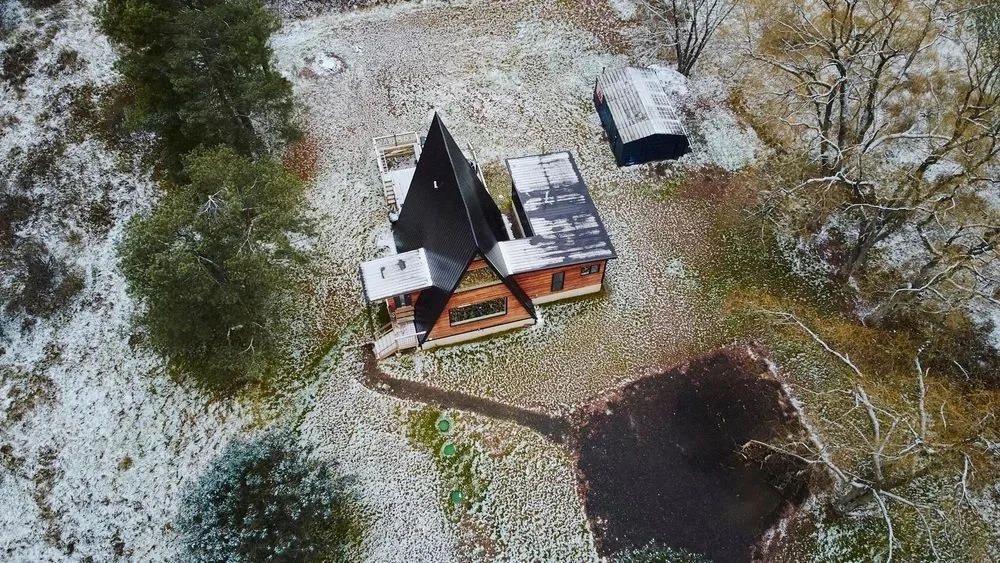
Before we tour a single driveway or fall for a single photograph, we want a goal. Not a vague hope, but a clear reason we are searching. In a town like Roxbury, clarity is not restrictive. It is calming. It keeps us from browsing as if we are collecting pretty images, and it guides us toward a purchase that feels good in ordinary moments, not only on perfect weekends. When we say we are looking for property for sale in Roxbury, CT, we are usually looking for something specific, even if we have not said it out loud yet. Privacy that does not feel isolating. Beauty that is not performative. A slower pace that still feels connected to the world we live in.
Roxbury tends to attract design-forward buyers because it delivers a particular blend: curated rural character, strong sense of place, and the kind of landscape that frames a home rather than simply surrounding it. The make-or-break factors here are rarely just square footage or finishes. The real decision often lives in the land, the access, the systems, and the micro-location fit. So we are going to use a buying lens that balances lifestyle, architecture, and long-term ownership practicality. That lens is what helps us recognize the right home when it appears, and just as importantly, it helps us walk away with confidence when the fit is not real.
What We Need To Know Before We Start Touring
The best Roxbury searches begin with a simple question: what do we want the property to do for us? Is it a full-time home that must handle winter and weekday routines without friction? Is it a weekend home meant to restore us, which still needs dependable infrastructure so weekends do not become work? Is it a hybrid, where we need reliable internet, a true office setup, and a layout that supports both quiet and hosting?
In Roxbury, a smart purchase usually comes from patient selection, not fast attachment. The right home is often about the right site, not the most updated kitchen. And that makes this town feel different. It asks us to slow down and look with intention.
Roxbury Snapshot: What Makes The Town Distinct
Roxbury sits in Connecticut’s Litchfield Hills, and the town itself describes its setting in a way that feels accurate when we drive through it: a rural community spread across about 26 square miles, with historic sites and architecture, and the Shepaug River cutting a narrow valley through hills on the western side. That geography shapes everything. Wooded roads that curve instead of cutting. Stone walls that quietly divide fields. Open clearings that give us long views, then sudden shade where the trees close in and the light turns silvery.
This is “close but not crowded” living, which is part of why demand can stay steady. Roxbury can serve weekend and hybrid lifestyles because it feels removed without being unreachable. Distance tools put Roxbury roughly within an 87-mile driving span from New York City, depending on route, which helps explain why the town can appeal to buyers who want a rural home with metro access still on the table.
Setting matters here more than people expect. A Roxbury home can feel entirely different based on how it meets the land. Light through trees is not the same as open meadow light. A home tucked behind a rise does not live like a home perched with a wide horizon. We will often do better when we treat Roxbury as a town where the site is the asset, and the house is the expression of it.
Micro-Locations: How We Choose The Right Pocket In Town
Roxbury is not loud, but it is not uniform. The pocket we choose will shape our daily experience, especially if we plan to be there often. We start by mapping what we actually do each week. Groceries, dining, schools, healthcare access, commuting routes, and how often we want to leave town for errands. A home that is perfect on paper can feel inconvenient if every simple task requires a longer drive than we want.
Road type matters too. Main roads versus quieter lanes can change noise levels, privacy, and resale appeal. We test this with our senses, not our assumptions. We stand outside and listen. We note whether trucks pass. We notice whether the property feels exposed once leaves drop. We drive the approach twice, once during the day and once near dusk if possible, because the feeling of arrival matters in a rural home. It becomes part of our routine, and routine is the real story of ownership.
Property Types We Will See: And What Inventory Usually Looks Like
When we search for property for sale in Roxbury, CT, the inventory often includes classic forms. Farmhouses with honest proportions and older layouts. Colonials that can feel grounded and traditional. Contemporaries that lean into glass, light, and indoor-outdoor connection. Cottages that offer intimacy, sometimes with surprisingly powerful settings. Converted barns and barn-inspired homes that can feel dramatic, especially when timber and volume meet the right light.
Acreage changes the ownership experience. More land can mean more privacy and more beauty, but it also means more maintenance time, more stewardship decisions, and sometimes more cost to keep things healthy. We want to ask ourselves whether acreage is a joy or a job for us. If we love trails, gardens, and outdoor projects, the land can become part of our well-being. If we are time-limited, land can quietly pull us away from rest.
Outbuildings can be a real value add when they are usable. Studios, barns, garages, and workshops can support creative work and hosting, but we should treat them like separate structures with their own condition, roof cycles, and maintenance needs. A charming barn is not automatically an asset if it is structurally tired.
Architecture And Design Signals: What Holds Value In Roxbury
Roxbury tends to reward homes that feel coherent. Strong proportions, natural light, quality windows, and flow that support real living. If a home has original details, beams, wide plank floors, stonework, well-preserved millwork, those elements can carry lasting appeal when they are paired with functional comfort. A beautiful old home can still fail us if it cannot handle daily life, especially in winter.
Modern buyers often want older homes to live more easily. Functional kitchens, comfortable baths, and mudroom logic that respects rural reality. A place to drop boots, hang coats, and keep the outdoors from spilling into the living room. This is not about luxury; it is about livability.
We also want the setting and the architecture to work together. The best Roxbury homes do not feel dropped onto the land. They feel anchored to it. Orientation that captures morning light. Rooms that face the view lines. A kitchen window that makes us want to cook because it looks out onto something real.
Land And Setting: The Hidden Yes Or No Behind A Listing
In Roxbury, the land is often the hardest thing to change, so we evaluate it before it finishes. We look at slope and drainage first. Where does water go after heavy rain? Is the yard usable, or will it stay muddy? Does the driveway channel runoff toward the house? Does the basement show signs of past moisture? These details affect comfort and cost.
We consider privacy in real terms. Sightlines, neighbor distance, and what changes when leaves drop. Summer can feel secluded. Winter can reveal more of the surrounding world. We want to know how the property feels in both states, because both states are part of ownership.
We also stay aware of wetlands and water features. Water can add beauty and value, but it can also add limitations. Roxbury zoning materials flag wetlands and flood-prone areas as considerations, and that is a reminder that site conditions can shape what we can build, expand, or change over time. A property can be wonderful, but we want to understand its boundaries clearly.
If the land is the canvas, the house is the composition. The right composition is the one that makes the landscape feel like part of daily life, not just scenery we notice occasionally.
Ownership Costs: The Numbers That Matter Beyond The Price
A smart purchase is the one we can own confidently, not the one that stretches us farthest. We outline costs early. Property taxes, insurance, heating fuel, maintenance, snow management, and periodic capital expenses. If we do this upfront, we stay calm later.
Roxbury’s fiscal documents show a 2025 to 2026 mill rate of 13.00, which is a useful anchor for understanding how the town calculates property taxes. Connecticut’s Office of Policy and Management explains mill rates simply: a mill is one dollar of tax per one thousand dollars of assessed value, which helps us translate a listing’s assessment into an estimated tax bill.
Older homes also require a reserve fund. Roofs, septic systems, wells, and chimneys have predictable life cycles. When we plan for them, they are not scary; they are scheduled. Energy efficiency matters too, because comfort improvements like air sealing, insulation, and heating optimization can reduce long-term cost volatility while making the home feel better immediately.
Utilities And Rural Infrastructure: What We Confirm Early
Many Roxbury properties come with rural realities. Well water. Septic systems. Propane or oil heat. Generator considerations. We do not treat these as negatives. We treat them as systems that must be verified.
Internet and cell service checks are especially important if we plan to work from home or stream reliably. We confirm real-world speeds, not just availability claims. Access logistics matter too. Driveway length, grade, and plowing expectations can shape winter comfort. A beautiful property for sale in Roxbury, CT, still needs dependable infrastructure to feel livable year-round.
Zoning regulations point to septic and access considerations as part of general requirements, which is a reminder that infrastructure is not a footnote. It is the backbone.
Renovation Potential: How We Spot A Good Project Versus A Risky One
A good project begins with good bones. Solid structure. Manageable layout changes. Systems that are not all at end-of-life at once. We separate cosmetic work from structural or mechanical work because the budget and timelines differ dramatically. Paint and fixtures are one kind of project. Rebuilding drainage, replacing septic components, or reworking heating is another option.
Rural projects can move more slowly. Contractor schedules, permit timelines, and material delivery can all affect pace. The smartest approach is disciplined and sequential. We prioritize upgrades that protect the asset first. Moisture control. Insulation. Air sealing. Heating optimization. Then we move into aesthetic choices.
This is also where design thinking becomes practical. When we choose timeless materials and improve flow, we are not only making the home prettier. We are making it easier to live in and often easier to resell.
Due Diligence: Inspections That Protect The Purchase
Due diligence is not pessimism. It is protection. We typically consider a general home inspection, septic evaluation, well testing, and radon testing based on local conditions and the property profile. We add property-specific checks when relevant. Drainage review, chimney inspection, pest and wood-destroying insect evaluation, and foundation assessment if anything looks uncertain.
We read disclosures and repair history carefully. Recurring issues matter. A repaired problem is not the same as a repeatedly patched one. Inspection findings also translate into a negotiation strategy. Sometimes that means repair credits. Sometimes it means asking for specific fixes. Sometimes it means walking away with gratitude because the home does not match our risk tolerance.
Market Behavior: How We Read Pricing Without Guessing
List price is not a value. Value is what comparable sales indicate after we adjust for condition, location, land quality, and upgrades. We use sold comps, not just active listings, to understand what the market actually supported.
We also consider seasonality. Rural and second-home markets can feel different across spring, summer, and late fall. Inventory can rise and fall, and buyer urgency can shift. Design quality can compress days on market, while deferred maintenance can expand it. That pattern shows up in many markets, and Roxbury is not immune.
Touring Strategy: How We Walk A Home Like Buyers, Not Visitors
We start with feeling, then validate with reality. We notice light first. Does the home feel bright or dim? Does the light change beautifully through the day, or does it feel flat? Then we check the flow. Does the kitchen connect well to dining and living? Is there a natural gathering space? Are bedrooms placed in a way that supports quiet?
We check quickly for practical signals. Window condition. Floor slope that might suggest movement. Basement moisture smells. Mechanical organization. How the heating system is maintained. These are not glamorous details, but they predict comfort.
We walk the land intentionally. Edges, slopes, drainage paths, and where we would actually sit and gather. We note where the sun lands. We imagine winter. Where snow will pile. How plowing will work. We also photograph and measure a few consistent items, so after multiple tours, we can compare homes objectively rather than emotionally.
Offer Strategy: How We Protect Ourselves While Staying Competitive
We set boundaries early. Budget ceiling. Inspection approach. Non-negotiable deal breakers. This is what keeps us rational when we love a home.
Terms can matter as much as price, depending on market conditions. Closing timeline flexibility, deposit strength, and contingency structure can influence competitiveness. We also decide when to negotiate price versus credits based on repair timing and our ability to manage projects. The best offer is the one that matches the home’s true condition and our risk tolerance, not the one that wins at any cost.
What Daily Living Looks Like After Closing
The question that matters most is simple. Can we picture ourselves living here on an ordinary day?
In Roxbury, daily living often includes stewardship. Land care. Seasonal prep. Snow rhythm. Leaf cleanup. Keeping drainage paths clear. That can be satisfying if we like the work, or draining if we do not. We plan accordingly.
We think about hosting too. Parking, mudroom flow, flexible sleeping spaces, and whether guests will feel comfortable in winter. We consider our routines, cooking, reading, working, time outdoors, and whether the home supports those without constant adjustment.
A great property for sale in Roxbury, CT, should feel good in ordinary moments. Morning coffee. A rainy afternoon. A quiet winter night. The magic has to hold when nothing special is happening, because that is when a home becomes real.
Action Checklist: Our Step-By-Step Roxbury Buying Plan
We write our must-haves and trade-offs down so the search stays clear as inventory changes. We shortlist micro-locations and track listings weekly, so we learn pricing and condition patterns quickly. We build a simple scorecard based on setting, build quality, systems confidence, and total ownership cost realism. We prepare a due diligence plan in advance so we can move decisively when the right home appears.
Conclusion: Buy For Setting, Structure, And Long-Term Ease
The Roxbury purchase that ages well is usually the one that respects the town’s fundamentals. Choose a micro-location with intention. Verify rural infrastructure early. Value design that supports daily living, not only visual charm. Underwrite ownership costs realistically. Tour with our senses awake, then confirm with inspections and data.
And when we want a design-forward, white-glove approach to finding the right property for sale in Roxbury, CT, we can connect with Homes In The Wild, a New York and Connecticut based team that pairs licensed real estate expertise with designers, artists, and specialists who support everything from commitment-free valuations and contractor connections to staging, styling, photography, videography, and high-reach marketing.
FAQ’s
Q1: What characterizes the "best" properties in Roxbury, CT?
The most coveted properties in Roxbury typically combine significant acreage, exceptional privacy, strong architectural pedigree, and stunning natural features such as hilltop views, pond frontage, or mature hardwood forests. Because Roxbury properties turn over infrequently, "best in class" listings are rarely available and often sell quickly to well-prepared buyers. Working with a deeply connected local agent is essential to accessing top-tier properties before they are gone.
Q2: What is the price range for premium properties in Roxbury, CT?
Premium Roxbury properties, those with significant acreage, architectural distinction, or notable natural features, can range from approximately $1 million to several million dollars. The most exceptional estate properties have sold for significantly more in recent years as demand from affluent buyers has strengthened. Even at the upper end, well-chosen Roxbury properties represent strong value compared to comparable estates in Fairfield County or the Hamptons.
Q3: How do I identify a truly exceptional property in Roxbury, CT?
Look for properties that combine rarity and quality. A historic farmhouse with original period details on 50+ acres with mountain views is a rare combination that will hold its value and appeal indefinitely. Properties associated with noteworthy architectural or cultural history command particular interest. Visiting in person and exploring the property thoroughly, including walking the land, assessing views, and understanding the light in different seasons, is essential before committing to a high-value purchase.
Q4: What should I expect in terms of due diligence for a high-value Roxbury property?
Due diligence for premium properties in Roxbury should include a full structural inspection, water quality testing, septic system evaluation, survey review, and title search. For older historic properties, an architectural historian's assessment may also be warranted to understand restoration needs and preservation obligations. Environmental assessments may be appropriate for larger parcels with a history of agricultural or industrial use.
Q5: Is there strong resale value for top Roxbury, CT properties?
The most distinguished properties in Roxbury have historically demonstrated excellent resale value, driven by the town's enduring desirability among discerning buyers and its fundamentally limited supply of high-quality real estate. Conservation restrictions protecting the surrounding landscape further insulate these properties from the dilution of character that can affect other markets. Buyers who choose wisely in Roxbury are generally making a long-term investment in one of New England's finest landscapes.