The Craftsmanship and Setting That Define Luxury Cabins in the Catskills
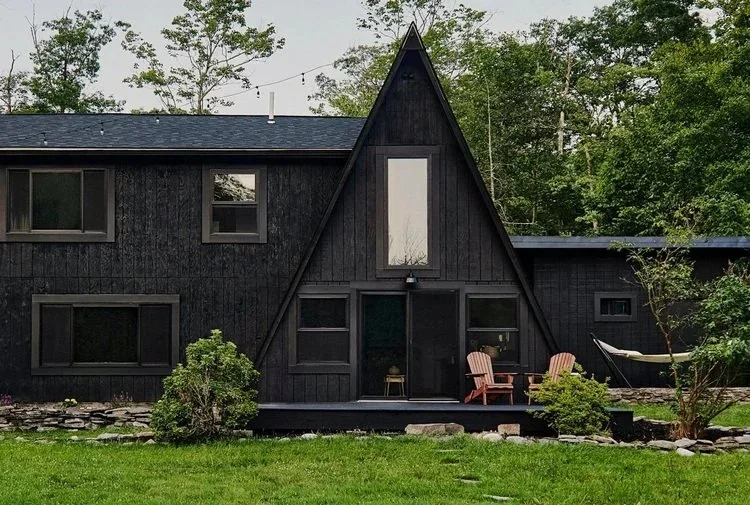
Luxury cabins in the Catskills rarely announce themselves with marble columns or gold fixtures. The luxury here is quieter and more earned, and it lives in the details, a beam shaped by hand, a fireplace built from local stone, a wall of glass that turns a forested slope into the only artwork a room needs. These homes trade the old idea of rough and rustic for something far more considered, where comfort and craft sit at the center, and the mountains do the rest.
Spend a weekend in one, and the appeal sinks in. The Catskills have quietly become one of the Northeast's most compelling places to own a refined mountain home, drawing architects, makers, and design-minded buyers who want beauty without losing the wildness. This is a look at the craftsmanship and the setting that set these homes apart, and why luxury cabins in the Catskills keep climbing the wish lists of people leaving the city behind for the weekend.
How the Catskills became a design destination
The Catskills have worn many faces. A century ago, they were resort country, dotted with grand hotels and summer boarding houses that drew families up from the heat of the city. That era faded, the mountains went quiet for a while, and then a new wave arrived, artists, chefs, designers, and weekenders who saw the raw beauty and the easy reach from New York, roughly two hours by car.
That creative energy raised the bar. Design hotels, thoughtful restaurants, and a wave of architect-led homes reshaped what people expected from a cabin in these hills. Today, the region carries a quiet confidence, a place where a hand-built house in the woods can feel every bit as sophisticated as a downtown loft, only with eagles overhead and a creek out back.
You feel that shift in the towns themselves. Around Phoenicia, Woodstock, and the villages tucked along the Esopus, design-forward cafes, galleries, and farm tables now sit a short drive from the most secluded cabins. Even the region's celebrated design hotels have helped set a new standard, showing what happens when serious craft meets a nature-first point of view. A luxury cabin in these mountains taps into all of that, offering deep quiet and privacy without ever feeling cut off from good food, good company, or a thriving creative community.
What luxury really means in a cabin
In the Catskills, luxury has surprisingly little to do with square footage. A small cabin can feel deeply luxurious when every choice in it is intentional, and a large one can feel hollow when it is not. The real markers are quality, craft, privacy, and connection to the land, the sense that someone cared about how light enters a room, how a stair meets the floor, and how the house frames the mountains beyond.
This is luxury as restraint rather than excess. The finest examples whisper, with natural materials, careful proportions, and a calm that comes from getting the fundamentals right. The goal is not to impress a visitor at the door; it is to make an owner exhale the moment they walk in.
Signature materials and finishes
Look closely at a Catskills luxury cabin, and the materials tell the story. Hand-hewn beams and exposed timber framing carry the structure honestly. Wide plank floors, often local oak, stretch underfoot. Walls of glass open the main rooms to the trees, while a stone fireplace, frequently built from regional bluestone or fieldstone, anchors the space and pulls people toward it on a cold night.
The finishes reward a second look. Kitchens come ready for serious cooking, with stone counters and quality fittings that would not look out of place in a city restaurant. Bathrooms borrow from the spa, with soaking tubs set beside windows so you can bathe with a view of the forest. Palettes stay warm and natural, charcoal, oak, brass, and wool, so the interior never competes with the landscape it frames.
The setting is a luxury feature.
In these homes, the land itself is the headline amenity. Acreage buys privacy, and privacy is the rarest luxury of all, the freedom to step onto a deck in the morning and see nothing but trees and ridgelines. Long mountain views, mature woods, a stream threading through the property, or a quiet pond at the tree line, these are features no renovation can manufacture.
The best designs treat the setting as part of the house. They orient the main rooms toward the finest view, place a tub or a bed where the morning light lands, and run decks and terraces out to meet the land. The result is a home where the boundary between built and wild grows pleasantly thin, and where the seasons become a kind of slow theater you watch from indoors.
The hands behind the work
None of this happens without skilled people, and the Catskills are rich in them. Regional builders, timber framers, stone masons, and woodworkers bring a depth of craft that gives these homes their soul. Local architecture studios known for the area's standout houses often source their wood and stone close to the build site, so the materials belong to the place as much as the finished home does.
That local expertise matters for more than looks. Mountain building is demanding, with steep sites, hard winters, and exacting clients, and the craftspeople who work here every day know how to deliver quality that lasts. When you run a hand along a hand-fitted joint or a dry-laid wall, you are feeling that knowledge directly.
What luxury buyers should consider
A few practical questions help a dream purchase stay a happy one. Year-round access tops the list, so ask how the road and driveway are maintained through winter, and how the home is heated and insulated for the cold months. Consider upkeep too, since a refined house on acreage benefits from a caretaking plan, especially if you will be away during the week.
It also helps to read the wider market. The Catskills sit within a Hudson Valley region that entered 2026 with rising values, tight inventory, and steady demand, particularly for distinctive, well-built homes. Luxury cabins occupy a special niche in that picture, scarce by nature and sought after by buyers who know exactly what they want, which tends to support their value over time.
Craft and setting, working together
Luxury cabins in the Catskills earn their reputation the honest way, through craftsmanship and setting, working hand in hand rather than through size or showy finishes. The materials connect the home to the mountains, the makers bring decades of skill to every joint and hearth, and the land supplies a beauty that no budget can buy outright. Put those pieces together, and you get a home that feels less like a purchase and more like a place you were always meant to be.
Homes In The Wild knows this corner of the world intimately. We curate exceptional homes across the Catskills and the Hudson Valley, and our listings go deep on the craft, the design, and the setting that make each one singular. If a refined cabin in the mountains is the dream, explore our current luxury listings or reach out to the team for a search shaped around exactly what you are looking for.
Frequently Asked Questions
What makes a Catskills cabin count as luxury?
It comes down to quality and intention rather than size. Handcrafted construction, fine natural materials, thoughtful design, real privacy, and a strong connection to the surrounding land all signal a luxury home. A modest cabin with exceptional craft and a stunning setting can easily outclass a much larger but ordinary house.
Are luxury cabins in the Catskills good for year-round living?
Many are built or upgraded for it, with solid insulation, efficient heating, and reliable winter access. Plenty of owners live in them full time, while others treat them as seasonal retreats. The key is to confirm how a specific home handles the cold months before you commit.
How much land typically comes with a high-end Catskills cabin?
Luxury cabins often sit on generous parcels, frequently ranging from a handful of private acres to a hundred or more, since privacy and views are central to their appeal. More land usually means more seclusion and a higher price, along with more stewardship of the woods and grounds.
What ongoing maintenance does a mountain cabin need?
Expect to care for the roof, exterior wood, heating systems, and any well and septic, along with seasonal tasks like clearing snow, managing trees, and keeping a long driveway passable. Many owners of larger or remote properties arrange a caretaking service to handle upkeep while they are away.
Is the Catskills luxury market a sound investment?
These homes are scarce by nature and draw committed, design-minded buyers, which tends to support their value. The wider Hudson Valley region entered 2026 with rising prices and tight inventory, a backdrop that has historically favored distinctive, well-built properties. As with any home, location, condition, and price still shape the long-term picture.