How a Modern Cabin in the Hudson Valley Brings Raw Nature and Refined Design Together
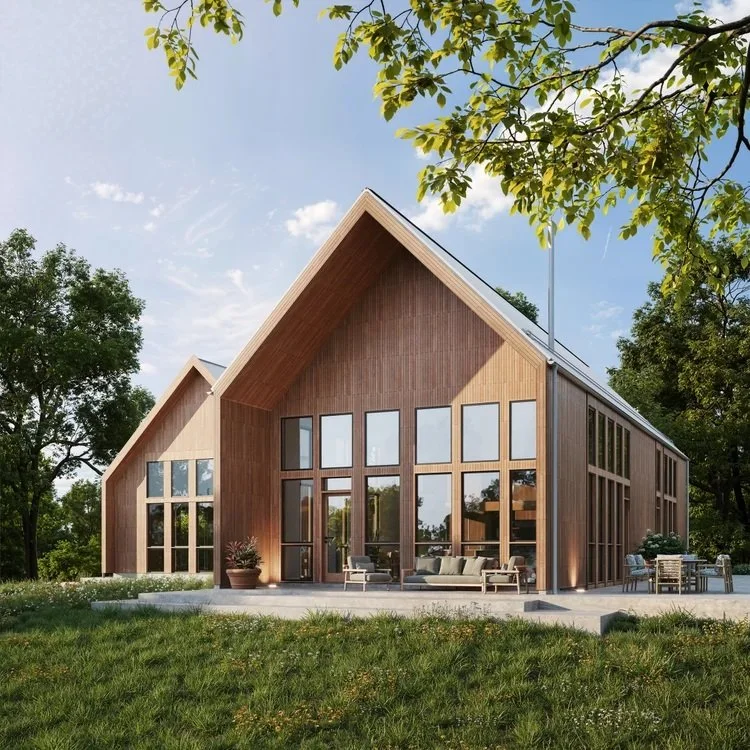
A modern cabin in the Hudson Valley asks you to hold two ideas at the same time. On one side, there is the wild, the deep hemlock shade, the cold rush of a creek over stone, the blue ridgelines that soften into one another at dusk. On the other there is something calmer and more deliberate, clean lines, honest materials, and rooms shaped to frame all of that wildness like a slow-moving painting. These homes do not turn their backs on nature; they lean into it, and that quiet confidence is exactly what keeps drawing people north.
Across the region, a new generation of cabins has rewritten what the word can mean. Forget the dim, low-ceilinged hideaways of the past. Today, the best examples pair a raw setting with refined design, and they reward anyone who cares about how a house feels at seven in the morning when the fog lifts off the valley. This is a look at how the modern cabin in the Hudson Valley brings the rough and the polished together, and why the combination has become one of the most sought-after looks in upstate New York.
The land sets the terms.
Any good cabin starts with the ground it stands on, and the Hudson Valley gives architects a lot to work with. The region rolls and folds, climbing from the wide silver river into the foothills of the Catskills, and the light shifts with every season. Spring arrives in a haze of pale green, summer turns the hillsides dense and shady, autumn lights the maples on fire, and winter strips everything back to bare structure and long blue shadows. A home built here lives inside that calendar, and the best designs make a feature of it.
Sloped, wooded lots that once scared off conventional builders now read as opportunities. A modern cabin can step down a hillside on slim steel legs, reach toward a view, or tuck low into the trees so it nearly disappears. The terrain pushes designers toward bold, simple shapes, and those shapes are part of why these homes feel so current. Add the fact that much of the valley sits roughly two hours from New York City, and the pull becomes obvious. You get genuine wilderness on a Friday night without giving up a Monday morning meeting.
What makes a cabin read as modern
Strip a modern cabin down to its essentials, and a few moves repeat. Rooflines stay simple or flat instead of climbing into fussy peaks. Walls of glass replace the small punched windows of older buildings. The footprint opens up inside, so the kitchen, dining, and living areas share one bright volume rather than hiding behind doors. The effect feels calm and uncluttered, and it lets the landscape do the talking.
Materials carry the rest of the story. Outside, you often find blackened or charred wood, vertical board cladding, board and batten, steel, and the occasional plane of concrete. Inside, those cooler notes warm up fast, with exposed timber framing, wide plank floors, and a stone hearth anchoring the main room. Architects working across the Catskills and the valley lean on this contrast on purpose, a dark, crisp shell against soft natural wood, because it feels both modern and deeply at home in the woods.
Letting the outside in
The single most important feature of a modern cabin is the glass. Floor-to-ceiling windows turn a stand of birches into a living artwork that changes hour by hour, and they pull daylight deep into the plan. On a clear winter morning, the low sun reaches all the way across the floor, and in summer the same windows fill with green.
Good designs do not stop at the glass. Decks and screened porches stretch the living space into the trees, sliding walls erase the line between inside and out, and covered outdoor rooms let you sit through a passing storm with a coffee in hand. The materials keep the conversation going indoors. Bluestone underfoot, oak overhead, wool and linen on the furniture, all of it echoes the textures waiting just beyond the threshold, so the house never feels sealed off from its setting.
Materials and the people who shape them
Part of what makes these homes special is how local they are, right down to the grain of the wood. Hudson Valley bluestone, reclaimed barn boards, and regional timber root a cabin in its place in a way that imported finishes never could. Several of the architecture studios known for the region's standout cabins make a point of sourcing oak and stone close to the build site, and that choice shows in the finished rooms, which feel grown from the land rather than dropped onto it.
Local builders matter just as much. Mountain sites bring real challenges, steep access, heavy snow loads, wells and septic systems, frost deep in the ground, and the craftspeople who work here every day know how to solve them. When you walk through a well-built modern cabin and run a hand along a hand-fitted timber joint or a dry-laid stone wall, you are feeling generations of regional know-how, not just a passing trend.
A quick read on the market
The appeal is not only emotional, but it shows up in the numbers. Heading into 2026, Hudson Valley counties posted home value gains well above the national pace, with several seeing yearly appreciation in the range of four to seven percent while the country as a whole crept up only slightly. In Dutchess County, average values rose more than five percent year over year, with median sale prices landing in the mid four hundred thousands. Inventory across the region stayed tight, which keeps well-designed homes in steady demand.
Buyer taste has shifted, too. Brokers across the valley report that move-in-ready homes sell fastest, and that younger buyers increasingly want the clean lines, big rooms, and modern systems of newer construction rather than a fixer-upper with hidden surprises. A thoughtfully designed modern cabin sits right in that sweet spot, which helps these homes hold their value. Many buyers are also looking north and west, into the quieter reaches of the valley and the Catskills, in search of more land and more privacy for the money.
Things to weigh before you buy
For all their charm, these homes reward a clear-eyed walk-through before you sign. Year-round comfort is the big one. Ask how the cabin is insulated, how it is heated, and whether those walls of glass carry the kind of high-performance glazing that keeps January at bay. Check the well and septic, confirm the road stays plowed in winter, and think honestly about how often you will make the drive.
Land is the other piece. Acreage buys privacy, long views, and the quiet that draws people up here in the first place, but it also asks for stewardship, from managing the woods to keeping a long driveway clear. None of this should scare you off. It simply helps to picture the whole year, mud season and snow season included, before you fall for the summer version of a place.
The quiet logic of the modern cabin
A modern cabin in the Hudson Valley works because it never forces a choice between wilderness and good design; it hands you both at once and makes the pairing look effortless. The wild supplies the drama, the light, and the seasons, while the architecture supplies the calm frame that lets you actually take it all in. Live with one for a while, and the line between the house and the hillside starts to blur, which is the whole point.
Homes In The Wild was built for exactly this kind of home. We curate distinctive, design-forward properties across the Hudson Valley and the Catskills, and our listings go deep on the things that matter: the craftsmanship, the materials, the way a house sits on its land, and the stories of the places around it. If a modern cabin in the woods is what you are picturing, browse our current listings or reach out to the team, and let us help you find the one that feels like yours.
Frequently Asked Questions
What is the difference between a modern cabin and a traditional one?
A traditional cabin leans rustic, with small windows, log or timber walls, and cozy, compartmented rooms. A modern cabin keeps the warmth and the natural materials but opens everything up, with clean lines, large expanses of glass, and a flowing layout that pulls the surrounding landscape inside. Think of it as the same love of the woods expressed in a lighter, more contemporary language.
Are modern cabins in the Hudson Valley suitable for year-round living?
Many are, as long as they are built or upgraded for it. Look for solid insulation, high-performance windows, a reliable heating system, and a plan for snow access. Plenty of owners live in their cabins full-time, while others use them as weekend and seasonal retreats. The right answer depends on how the home is constructed and how you intend to use it.
How much land usually comes with a Hudson Valley cabin?
It varies widely, from a private acre or two near a village to sprawling parcels of fifty acres or more in the foothills. More land typically means more privacy, longer views, and a higher price, along with more upkeep. Deciding how much space you actually want is one of the first useful questions to answer.
Why are modern cabins holding their value so well?
Tight inventory across the region, steady demand from buyers seeking second homes and quieter living, and a strong preference for move-in-ready, well-designed houses all work in their favor. Heading into 2026, several Hudson Valley counties saw home values rise faster than the national average, and design-forward homes tend to stand out in that environment.
What should I check before buying a cabin in a wooded setting?
Beyond the usual inspection, pay attention to the well and septic systems, the condition of the roof and any large glass walls, and the insulation, along with winter road access. It is also worth understanding the property's drainage, tree health, and any flood or wind risk, so you know what owning the land really involves across all four seasons.